

407 Graduate as MTN Foundation Digital Skills Programme expands opportunities in Northern Uganda
08/10/26


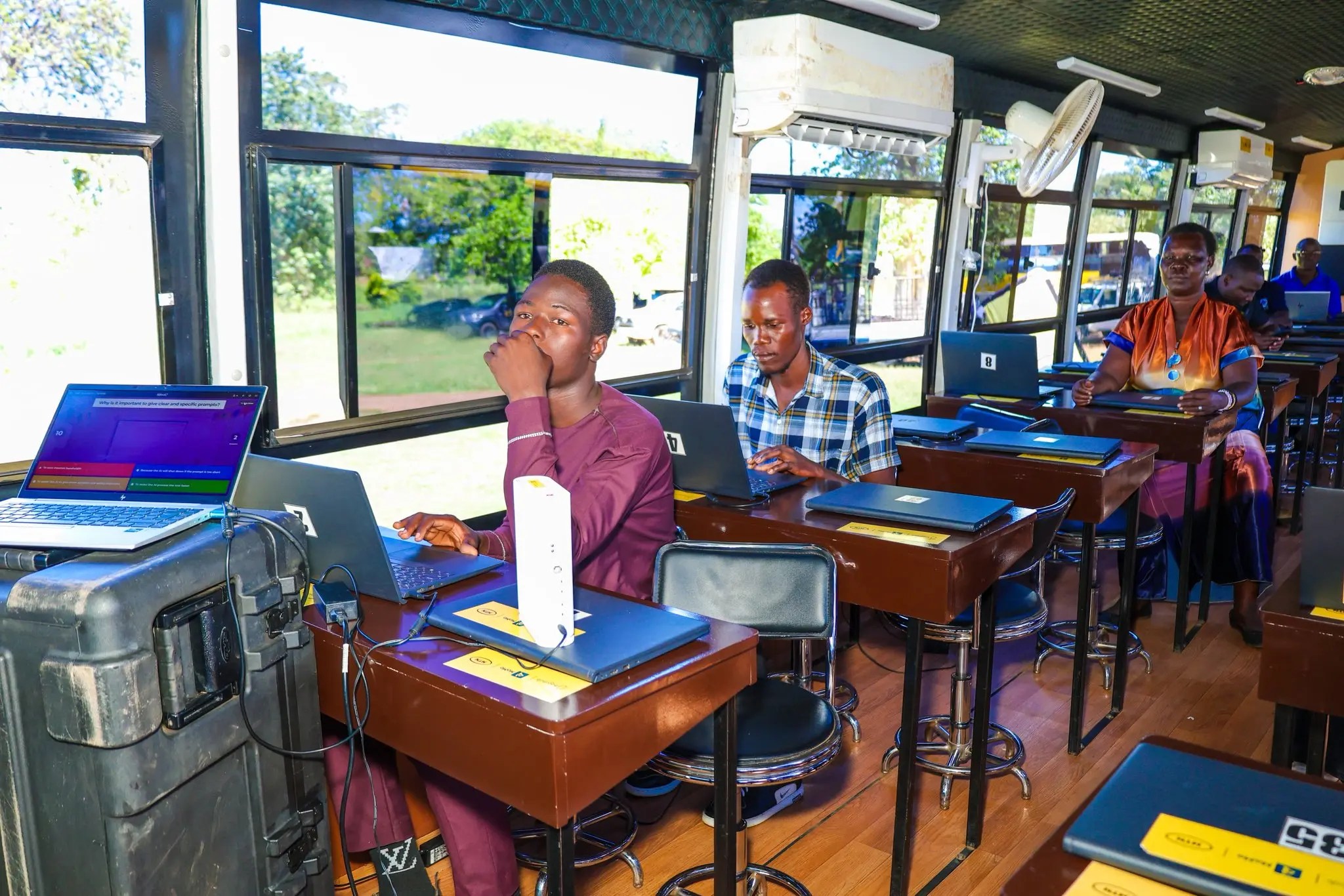
Trainees take computer lessons in Pader District.
- The MTN Uganda Foundation today graduated 407 trainees, mainly youth and women, from a digital and financial literacy programme in northern Uganda, equipping them with practical skills to use computers, access online information and manage digital financial services.
- The three-week training was delivered through the MTN Internet Bus, a mobile computer laboratory that takes computers, internet access and trainers to last mile communities, breaking barriers of distance, cost and access, ensuring that no one is left behind in the digital revolution
- More than 7,000 trainees have undergone training through the Internet Bus since 2022, with more than 90% completing the programme.
- MTN Uganda Foundation executives said the graduates can continue developing their ICT skills through the free online MTN Skills Academy and MTN ACE programmes, which offer further learning opportunities online.
Today, the MTN Uganda Foundation graduated 407 trainees, mainly youth and women, from a digital and financial literacy programme in northern Uganda, equipping them with practical skills to use computers, access online information and manage digital financial services. The graduates comprised of youth from both Pader and Lamwo districts.
The three-week training was delivered through the MTN Internet Bus, a mobile computer laboratory that takes computers, internet access and trainers to last mile communities breaking barriers of distance, cost and access, ensuring that no one is left behind in the digital revolution.
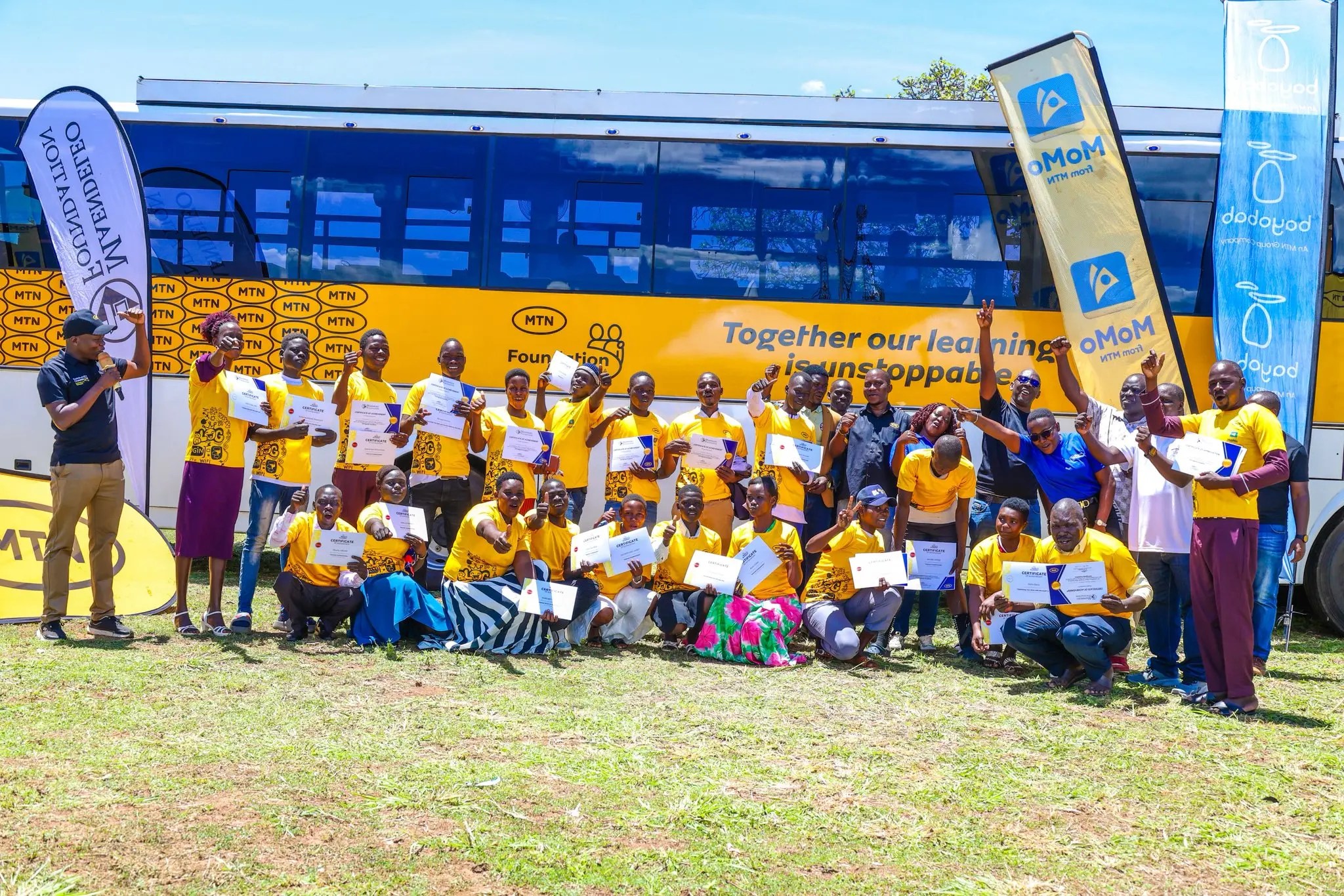
Pics of graduands
The graduation at Angagura Sub County headquarters was the second under the sixth phase of MTN Uganda Foundation’s Digital Literacy Programme, implemented in partnership with Maendeleo Foundation. The first graduation under the phase was held at Makerere, Kikoni, in Kampala last month.
More than 7,000 trainees have undergone training through the Internet Bus since 2022, with more than 90% completing the programme.
“Digital inclusion is not only about access to technology. Trainees also need the skills and confidence to use it productively,” said Peter Ochen, General Manager, Financial Operations at MTN Uganda.
The training covered basic computer skills for business, online safety, artificial intelligence and financial literacy.
Participants were also taught how to manage money, make informed financial decisions and use digital financial services safely.
For graduates, the training provided future-fit skills that they said could apply to work, education and everyday activities.
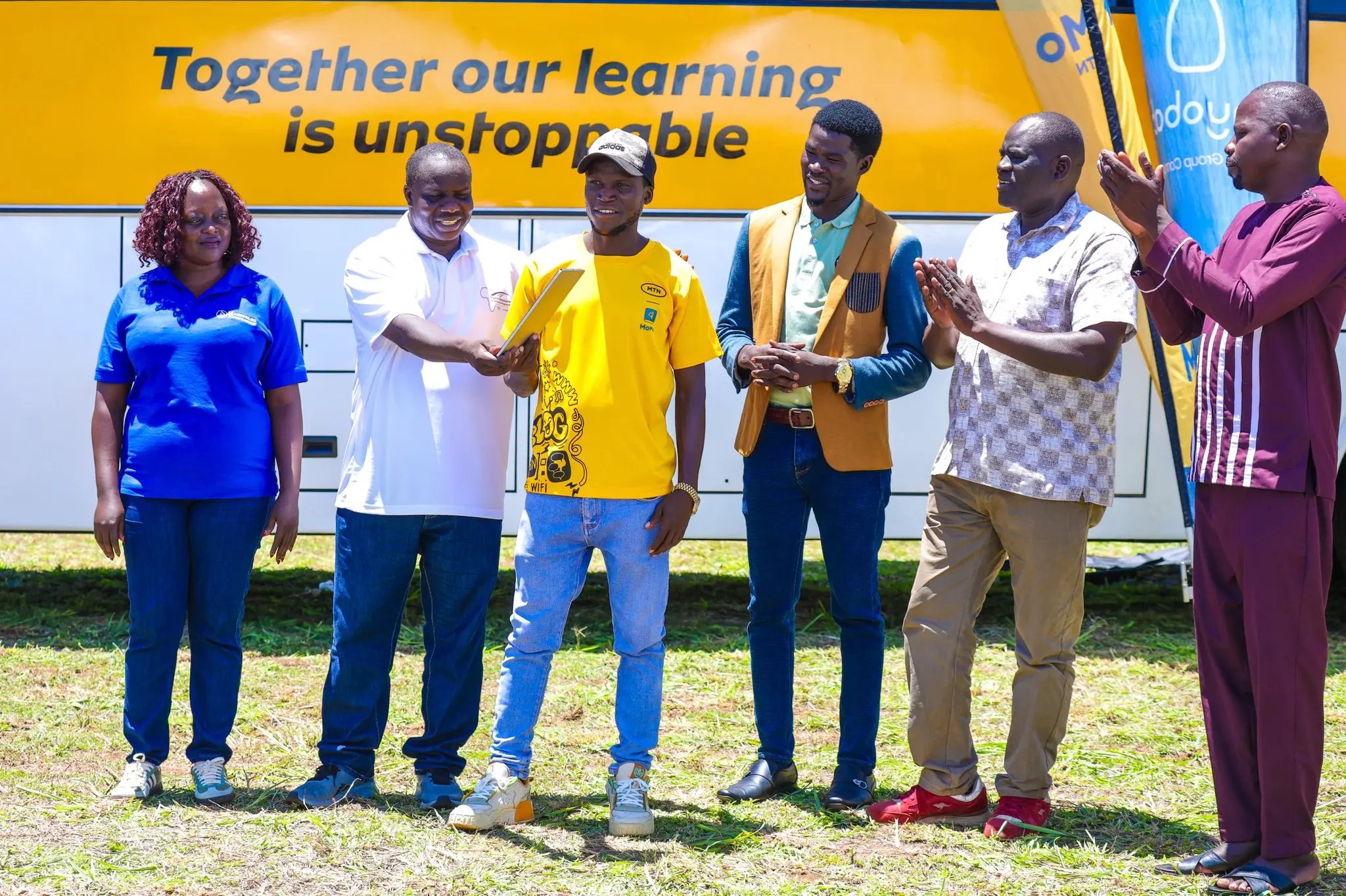
Gloria Ayaa, one of the graduates, said the training had improved her ability to use computers and find information online.
“I have learnt how to use a computer, search for information on the internet and communicate online. I plan to use these skills to improve my work, continue learning and look for more opportunities online,” she said.
Erick Akena, another graduate, said the financial literacy lessons had helped her understand how to manage money better.
“I have learnt how to use digital tools and manage my money better. I want to continue practising these skills and use them to support my work and improve my opportunities,” she said.
The graduation also featured a regional skills competition, allowing trainees to demonstrate the skills acquired during the course. Four top-performing trainees – Salume Amito, Ken Okee, Simon Peter Openyrwot, and Willy Ojok – received a laptops, Tablets, Kabode Smartphones and a MiFi devices respectively to support continued learning and connectivity.
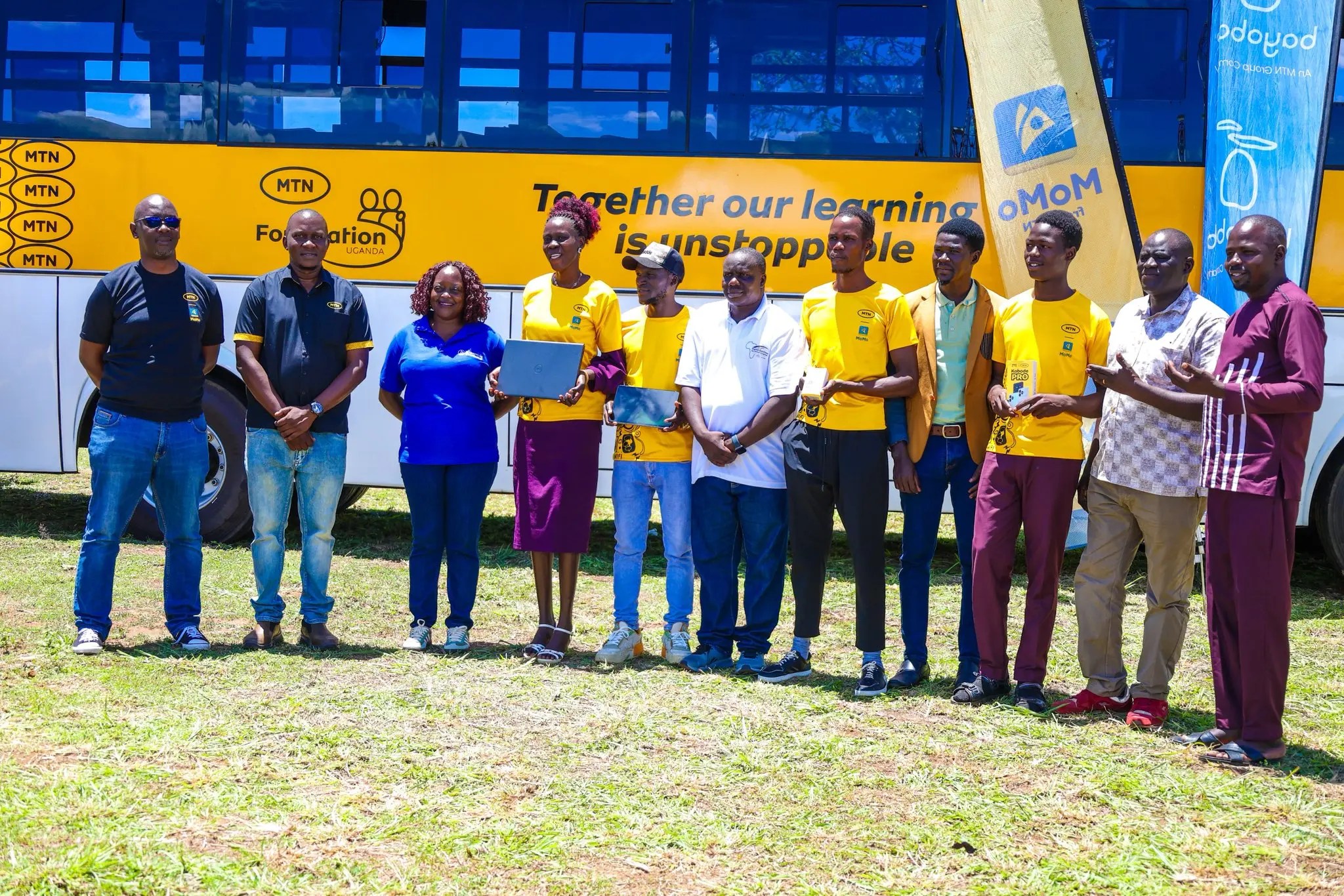
Best performing trainees recieve laptops, smartphones and Mi-Fi’s courtesy of MTN Foundation.
Moses Mwaka , the LC V Councillor for Atanga Town Council in Pader District, who was the chief guest, said digital skills would be critical to Uganda’s economic transformation.
Uganda’s Fourth National Development Plan, NDP IV, is aimed at accelerating economic growth as the country works towards expanding its economy from about $50 billion to $500 billion by 2040.
“Such an ambition requires people with the right skills to participate in the modern economy,” Mwaka said.
To build on the foundation gained through the programme, graduates were encouraged to continue learning at their convenience through the free online MTN Skills Academy and explore further skills development, innovation and entrepreneurship opportunities through MTN ACE.
By combining access, practical training and continued learning pathways, the MTN Internet Bus programme advances MTN’s commitment to helping more Ugandans participate meaningfully in the digital economy and enjoy the benefits of a modern connected life.
Related news
MTN Uganda Announces Support for Enkuuka 2025, Strengthens Partnership with CBS and the People of Bu
MTN Uganda has announced its support for Enkuuka 2025, stren...
Read More
MTN Launches the “Gaga Your Way to Morocco” Campaign, Giving Customers a Chance to support Ugand
MTN Uganda has launched a nationwide “Gaga Your Way to Mor...
Read More
MTN Uganda, WWF Launch Pachi Panda Challenge to back youth-led climate solutions
MTN Uganda has announced the launch of the Pachi Panda Innov...
Read More